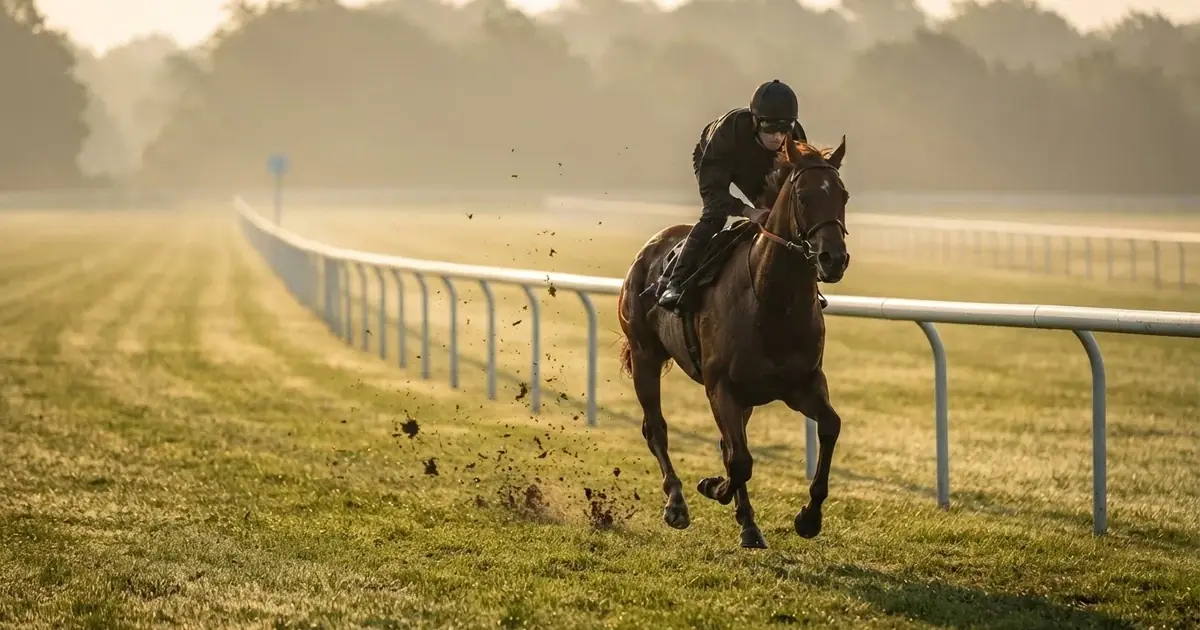
Greyhounds Betting in New Zealand in 2026: Where the Bets Actually Stand
 Available in US
The greyhounds market in New Zealand is closing. The Racing Industry (Closure of Greyhound Racing Industry) Amendment Act 2026 was passed on 2 April 2026, with the phase-out set for 1 August 2026, so what a New Zealand punter can actually bet on this year is narrower than the marketing pages of offshore brands make it look. Reading time on this subject is mostly a matter of telling those apart: the lawful local product, the offshore product that targets New Zealand from the outside, and the racing calendar that shrinks underneath all of them as the law takes effect.

This page walks through that field. It starts with the racing itself — what was on the calendar and what survives of it. It then compares the ten brands a New Zealand reader is most likely to meet, sets out the legal frame so a reader can tell which of them may serve them at all, looks at the safer-gambling tools that are actually available locally, talks through the kinds of bets that get placed on a six-dog race and the way odds are framed, and closes on five questions readers tend to ask once the picture is on the table.
Currency stamp: figures current as of 26 October 2026, checked against the Racing Industry Act 2020, the Department of Internal Affairs’ public statements on the betting prohibition, and the New Zealand App Store listings for the lawful local brands.
Table of Contents
- Greyhound Racing in New Zealand: The Sport and the Calendar
- Top 10 Greyhounds Sites a New Zealand Reader Meets in 2026
- The Lawful Local Product: What TAB NZ and Betcha Actually Offer
- Legality: Who May Take a Greyhound Bet from a New Zealand Reader
- Responsible Gambling: The Tools and the Limits in New Zealand
- Greyhound Betting Strategy: What the Calendar and the Markets Actually Let a Punter Do
- Greyhound Bet Types and Odds: How the Bets Are Priced
- Margin: What the Bookmaker Keeps, and What a Punter Ought to Expect to Lose
- Choosing a Path: Who Each Option Suits in 2026
- Frequently Asked Questions on Greyhounds Betting in New Zealand
Greyhound Racing in New Zealand: The Sport and the Calendar
Greyhound racing in New Zealand was organised, before the ban, by Greyhound Racing New Zealand (GRNZ), with seven affiliated clubs: Auckland, Waikato, Whanganui, Palmerston North, Canterbury, Otago and Southland. Those clubs ran meetings through the year, mostly on weeknights and weekends, with race distances generally between 295 and 750 metres on sand or grass tracks. The TAB NZ tote and fixed-odds products sat on top of that fixture list; the offshore bookmakers tapped the live pictures runners had online.

What is left after 1 August 2026 is the offshore feed. Some Australian greyhound meetings are run by Greyhound Racing New South Wales and Greyhound Racing Victoria, and major bookmakers price those meetings internationally. From 1 August 2026, but an offshore bookmaker accepting a greyhound bet from a person in New Zealand is breaking section 74AAA of the Racing Industry Act 2020, regardless of where the operator is incorporated. The shape of the calendar that remains available through a New Zealand account is so narrow: it is whatever Entain, the operator of TAB NZ, decides to keep on the product after the local industry winds down, and that is not yet on the public record.
For a reader, the practical consequence is straightforward. Anyone who built a greyhound betting habit on meetings at Addington, Manukau, Hatrick, or any of the other New Zealand tracks that raced under GRNZ in the past decade now has two paths: switch to Australian racing via an offshore account that may lawfully do so under the law of its own jurisdiction but not under New Zealand law, or move to a different code — harness racing, thoroughbred racing, or a sport — through TAB NZ or Betcha. Neither path is hidden; both are visible in the product menu of the lawful local brands, and both are covered below.
How the meetings are run
A greyhound race is a sprint. Six dogs line up in numbered traps; a mechanically operated artificial lure runs along a rail ahead of them; the first dog past the post wins. Parimutuel and bookmaker betting are both used in greyhound racing around the world, and New Zealand was a parimutuel-and-fixed-odds tote market run by the TAB. There was no on-course bookmaking in the same way a cricket match has it: the local betting was, for the most part, the TAB’s product on GRNZ’s meetings, with a small fixed-odds book run by Entain under the TAB brand on the larger events.

This matters because a greyhound bet is a settled bet in two senses. The first is whether the dog wins or does not. The second is whether the betting market was open at all when the reader tried to place the bet — and that second question is the one the 2026 Act answers. From 1 August 2026, the lawful answer for a person in New Zealand is “no, not for a New Zealand race”; for an Australian race, the answer depends on which bookmaker takes the bet and on whether that bookmaker is the local monopoly provider or an offshore brand.
What the phasing timetable looks like
The decision to ban was announced by Winston Peters on 10 December 2024, with the phase-out set for 2026. This legislation was passed on 2 April 2026, and 1 August 2026 is the date on which the closure takes effect. The actual racing calendar through 2026 thus runs in two halves: from the start of the year to 31 July 2026, greyhound meetings are still lawful and the TAB NZ tote and fixed-odds products are still in play; from 1 August 2026, those meetings stop and the betting menu that depended on them shrinks to whatever Australian product is left on the page.
For a reader, the takeaway is timing. The first seven months of the year are the only window for betting on New Zealand greyhound races through TAB NZ. The rest of the year, greyhound betting from a New Zealand account is, at best, on Australian races through TAB NZ if Entain keeps that product up, and at worst, simply gone.
Top 10 Greyhounds Sites a New Zealand Reader Meets in 2026
The list below compares the ten brands a New Zealand punter is most likely to come across this year. They are not equals. TAB and Betcha are the two online brands of TAB NZ, the only provider lawfully offering racing and sports betting to people in New Zealand since 28 June 2025; they are one operator group, not rivals. The other eight brands are offshore and named for reference because New Zealand readers meet them — on affiliate pages, in app stores, in search results — not because any of them may lawfully take a greyhound bet from a person in New Zealand.
Each write-up is keyed on a single question: what does the brand offer, and which reader does it suit, given the law and the calendar above. Ratings are based on the specifications the operator’s own terms and home page give, compared against what the lawful local brands offer; nothing here is a recommendation to claim an offer or open an account.
Quick comparison
| Brand | New Zealand status | What the operator’s own terms state on greyhounds and racing |
|---|---|---|
| TAB | TAB NZ brand — sole lawful local provider | Fixed-odds and tote on horse, harness and greyhound racing, plus a full sports menu, with safer-gambling tools inside the account |
| Betcha | TAB NZ brand — sole lawful local provider | Fixed-odds racing (horse, greyhound, harness) and a broad sports menu, with safer-gambling tools inside the account |
| BetAlright | Not licensed in New Zealand | Sportsbook on mainstream team sports with a Live Betting and a Virtual Sports section; no greyhound racing on the public home page |
| FunBet | Not licensed in New Zealand | 24/7 sportsbook on mainstream team sports with live betting; greyhound racing not listed on the public home page |
| Winz.io | Not licensed in New Zealand | Sportsbook with a separate Sportsbook T&C, Sports Rules and Bonus Terms; greyhound racing not listed on the public home page |
| RoyalistPlay | Not licensed in New Zealand | Sportsbook with Live, Sports Promotions, Results, Schedule, E-sports and Predictions sections; greyhound racing not listed on the public home page |
| Telbet | Not licensed in New Zealand | Crypto casino and sportsbook; greyhound racing not listed on the public home page |
| Roobet | Not licensed in New Zealand | Sportsbook on mainstream team sports; greyhound racing not listed on the public home page |
| Rooster.bet | Not licensed in New Zealand | Sportsbook with Live, Sports Promotions, Results, Schedule, E-sports and Predictions sections, six odds formats; greyhound racing not listed on the public home page |
| LegendPlay | Not licensed in New Zealand | Sportsbook with Sports, Live Betting and Virtual Sports sections; greyhound racing not listed on the public home page |
The honest read of this table is that the lawful local brands and the offshore brands are not competing on the same product in the same jurisdiction. A New Zealand reader who wants greyhound betting through 2026 either bets on New Zealand meetings through TAB or Betcha before 1 August 2026, or accepts that the lawful option for greyhound betting from a New Zealand account runs out on that date. The brands below the line have greyhound racing only insofar as the operator keeps it on its international feed; that product is not lawful for a New Zealand customer.
TAB
TAB is the main brand of TAB NZ, and the brand through which most New Zealand adults have placed a bet for decades. The site runs both tote (pool) and fixed-odds betting on thoroughbred, harness and greyhound racing in New Zealand, plus a full sports menu on rugby union, rugby league, football, basketball, cricket, tennis, NRL, NBA, NFL and MMA. The mobile product is the TAB — Racing & Sports Betting app, published on the New Zealand App Store under the seller name New Zealand Racing Board, first released on 8 September 2014, with a 17+ age rating (the operator states that customers must be 18 or over to bet). Trackside live race streaming with in-app betting, racing form, Blackbook and Jockey Challenge tools, and a simplified wallet for deposits and withdrawals sit inside the same account.
For greyhounds specifically, TAB carries the local GRNZ meetings through 31 July 2026 and the wider Entain-priced greyhound feed afterwards if Entain keeps that product on. The brand’s strengths are the local racing coverage while it lasts, the deposit-limit / time-out / self-exclusion tools in the app, and the fact that winnings on racing are not taxable for recreational players under Inland Revenue guidance. Its weakness is the racing calendar: from 1 August 2026, the local greyhound feed stops, and the brand’s standing in greyhounds from that date depends entirely on what Entain keeps on the international feed. A New Zealand-based bettor seeking greyhound options under local law in 2026 will find TAB a lawful operator with a long heritage.
Betcha
Betcha is the second online brand of TAB NZ, run by Entain New Zealand Limited, first released as an app on 6 August 2024. The product covers horse, greyhound and harness racing alongside rugby, NRL, MMA/UFC, NBA, NFL, tennis, cricket, football, motorsports and esports. The safer-gambling tools listed in the TAB app apply across the TAB NZ brands, so a Betcha account carries the same deposit-limit, time-out and self-exclusion controls as a TAB account.
The brand’s standing in greyhounds is the same as TAB’s: it is one of two lawful local brands, the racing feed is the local GRNZ product through 31 July 2026 and the wider feed afterwards if Entain keeps it, and a self-exclusion made on one brand applies across both. Betcha’s appeal over TAB is mostly cosmetic — the app is newer, the layout is different, and the brand pitches itself to a younger sports audience. For a reader who wants greyhound betting through a New Zealand account and prefers the newer app, Betcha is the equivalent door; for a reader who has used TAB for years and does not need a second interface, TAB is the same product in a more familiar wrapper.
BetAlright
BetAlright is an offshore sportsbook. The home page lists football, tennis, table tennis, basketball, ice hockey, American football and baseball, with a Live Betting and a Virtual Sports section. The brand names no New Zealand licence; the operator is restricted from serving New Zealand residents. Greyhound racing is not on the public home page.
The honest read is that BetAlright is a generic team-sports sportsbook aimed at a broad international audience, with a product that does not match what a New Zealand greyhound punter is actually looking for. The appeal, if any, is the international sportsbook product and the live-betting and virtual-sports sections that TAB NZ does not run in the same form. This brand is one to be aware of to avoid confusion with the lawful local product, though it is not a provider for the NZ market.
FunBet
FunBet is another offshore sportsbook. The home page lists football, ice hockey, American football, basketball, volleyball, tennis, rugby and baseball, with live betting and a bookmaker described as open 24/7. The brand names no New Zealand licence; it is an unlicensed operator in the NZ market. Greyhound racing is not on the public home page.
The product is similar to BetAlright in shape — mainstream team sports, live betting, a 24/7 frame. The pitch is the round-the-clock sportsbook and a rugby market that offshore brands sometimes price more deeply than the TAB does. The legal position for someone in New Zealand remains unchanged, and this operator is included here for context only.
Winz.io
Winz.io is an offshore sportsbook. The home page advertises a sports betting bonus promotion and lists a separate Sportsbook T&C, Sports Rules and Bonus Terms and Conditions pages. The brand names Anjouan and Tobique licences, held by Novatrix SRL, neither of which gives authorization to accept wagers from people in New Zealand; NZ law under the Racing Industry Act 2020 prohibits such operators. Greyhound racing is not on the public home page.
The brand’s product is a generic offshore sportsbook with a separate set of terms pages — a structural signal that the operator takes its sports rules seriously. That signal does not translate into a New Zealand licence; this site includes it for completeness, not as an option for a New Zealand greyhound punter.
RoyalistPlay
RoyalistPlay is an offshore sportsbook. The home page lists Live, Sports Promotions, Results, Schedule, E-sports and Predictions sections, with football, basketball, tennis, handball, ice hockey, volleyball and table tennis among the top sports. The brand names a Tobique Gaming Commission e-gaming licence (No. 0000002), held by Novatrix SRL, which gives no authorization for wagers from New Zealand; offshore providers are generally restricted from serving the NZ market.
The product is the standard offshore sportsbook with a wider menu of e-sports and predictions sections than some of the other brands. The Tobique licence is an offshore credential, not a New Zealand one; it is mentioned here to provide a complete picture of the brands readers may encounter.
Telbet
Telbet is an offshore crypto casino and sportsbook. The home page lists a welcome offer of 200% up to 1 BTC plus 50 free spins and a 5 USDT free bet on the Russian-language site. The brand names no licence that applies in New Zealand; local regulations mean the brand is not licensed in New Zealand, no New Zealand complaints route reaches it, and accepting a bet from a person in New Zealand is a breach of local policy.
The product is what the name says: a crypto casino and sportsbook. Crypto-native brands price a wider range of markets than mainstream sportsbooks do, including some smaller leagues and esports tournaments, but that breadth is not on a greyhound menu that New Zealand readers can lawfully use; we name the operator simply to show the breadth of the offshore market.
Roobet
Roobet is an offshore crypto casino and sports betting brand. The home page lists soccer, basketball, tennis, Counter-Strike, FIFA, baseball, ice hockey, MMA and table tennis, with terms requiring players to be 18 or older. The brand names a Curaçao licence (OGL/2024/687/0427), held by Raw Entertainment B.V., which gives no authorization for wagers from New Zealand; New Zealand law prohibits unlicensed offshore betting.
Roobet’s standing in the offshore market is larger than several of the brands above. The product covers the major team sports plus a deeper esports feed than most mainstream sportsbooks, and the Curaçao licence is one of the better-known offshore frames. None of that is a New Zealand licence; we present the brand details to ensure readers understand the landscape.
Rooster.bet
Rooster.bet is an offshore sportsbook. The home page lists Live, Sports Promotions, Results, Schedule, E-sports and Predictions sections and shows odds in six formats. The brand names a Tobique Gaming Commission e-gaming licence (No. 0000002), held by Novatrix SRL, which gives no authorization for wagers from New Zealand; local restrictions apply.
The product is similar in shape to RoyalistPlay — the same Tobique licence, the same operator behind it, a similar set of sections. The six odds formats are a small bonus for readers who want fractional or American odds displayed by default. The legal position is clear, and we mention the brand to clarify its status.
LegendPlay
LegendPlay is an offshore sportsbook. The home page lists Sports, Live Betting and Virtual Sports sections, with football, tennis, basketball and ice hockey among the listed sports. The brand names an Anjouan Gaming Authority licence, which gives no right to take bets from people in New Zealand; NZ betting laws apply.
LegendPlay rounds out the comparison set. The product is a mainstream offshore sportsbook with virtual sports added, the licence is the same Anjouan frame that Winz.io uses, and the legal position for a New Zealand reader is the same as for the rest of the offshore group. The brand is named for completeness.
The Lawful Local Product: What TAB NZ and Betcha Actually Offer
The lawful local product is built around three layers. The first is the racing layer — thoroughbred, harness and greyhound races run in New Zealand, priced by the TAB tote and by Entain’s fixed-odds book on the bigger events, and Australian racing that the TAB NZ brand carries as part of its international feed. The second is the sports layer — rugby union, rugby league, football, basketball, cricket, tennis, NRL, NBA, NFL, MMA and other codes, with both pre-match and live markets. The third is the safer-gambling layer — deposit limits, time-outs and self-exclusion inside the account, supported by a helpline and a text line outside it.
The shape of that product matters for greyhounds because the racing layer is the one that disappears from 1 August 2026. The sports layer is unchanged; the safer-gambling layer is unchanged. What changes is the racing feed at the heart of the TAB NZ product, and with it the menu of markets that depends on a six-dog race being run.
For a reader who is choosing between the lawful local brand and an offshore brand, the question is not which product is better on price — the offshore brands price Australian greyhound meetings more deeply than the TAB does, because that is their main greyhound market — it is which product the reader is allowed to use at all from a New Zealand account. The answer is TAB NZ and Betcha only, for the reasons set out in the section on legality.
What a TAB NZ account looks like in practice
A TAB NZ account is opened with a verified New Zealand address and ID, and the betting age is 18. Land-based casino gaming is 20; the two are separate permits and the lower age does not transfer between them. The account carries a wallet for deposits and withdrawals, the full TAB NZ product menu, and the safer-gambling controls. From a greyhound punter’s point of view, the practical daily product is the racing form and Blackbook tools inside the app, the live Trackside stream with in-app betting, and the fixed-odds and tote menus on the next GRNZ meeting up to 31 July 2026.
What a Betcha account looks like in practice
A Betcha account is opened by Entain New Zealand Limited and carries the same product, the same safer-gambling controls, and the same New Zealand address and ID requirement as a TAB account. The interface is newer and the sports menu leans on the same Entain pricing that the TAB app uses, so a reader who switches between the two sees the same markets on a given event in most cases. The greyhound menu through 31 July 2026 is the same as the TAB menu on the same day, and the same international feed afterwards if Entain keeps it.
Why the monopoly is structured this way
TAB NZ is the only provider lawfully offering racing and sports betting to people in New Zealand since 28 June 2025, when section 74AAA of the Racing Industry Act 2020 came into force. The Department of Internal Affairs told unlicensed providers to withdraw with immediate effect. Entain runs the TAB business under a 25-year agreement signed in 2023 that gives Entain a 50/50 share of gross profits, with at least $150m a year going to TAB NZ for the first five years, and Entain pledged a one-off $100m payment to the racing sector.
That structure is the reason the local product is what it is. The partnership gives the racing and sports codes a share of the betting profit, which is what the TAB NZ product is designed to deliver. The closure of greyhound racing changes the funding calculation for the codes that depended on it, and that is the political reason the closure timetable is set the way it is.
Legality: Who May Take a Greyhound Bet from a New Zealand Reader
The legal frame is short and worth stating in full once. The Gambling Act 2003 is the framework statute for gambling in New Zealand, and the Department of Internal Affairs (DIA) is the regulator under it. The Racing Industry Act 2020 establishes TAB NZ as the sole betting provider for racing and sports in New Zealand. The Racing Industry Amendment Act 2025 inserted section 74AAA: no person other than TAB NZ may offer racing betting, sports betting or other racing or sports betting to a person in New Zealand, regardless of where that person is resident or incorporated; the change took effect on 28 June 2025, and DIA told providers serving New Zealand to withdraw with immediate effect. There is no licensing route for another bookmaker and no licence register for betting, because there is only one lawful operator.
The law does not geo-block offshore websites; it puts liability on the offshore operator. TAB and Betcha are the two lawful online brands of TAB NZ, run by Entain under a long-term partnership; the page never presents Betcha as a rival bookmaker. The Online Casino Gambling Act 2026 licenses online casino gambling only and does not license sports betting; TAB New Zealand winning the right to apply for a casino licence does not extend the betting monopoly.
Greyhound racing is closing in stages from 1 August 2026, and from that date offshore operators may not take bets on greyhound races either. The ban covers events held inside and outside New Zealand; the law is about who may serve a person in New Zealand, not about where the race is run.
What may be bet on
Racing and sports betting from TAB NZ only. TAB NZ takes fixed-odds and tote bets; its published betting rules define bets such as Win, Place, Each Way, Quinella, Exacta, Trifecta, First Four, Double, Treble, Daily Double, Running Double, Quaddie and Big6, and Multis and Same Game Multis. Live betting is listed in the TAB NZ apps; any statutory restriction on in-play markets is not established. No lawful New Zealand betting exchange exists and spread betting is outside TAB NZ’s sports-betting definition. Bets on politics and novelty markets are not established in the public record; nothing in the law opens that door and nothing in TAB NZ’s terms closes it either, so a reader who wants that product is looking outside the lawful local frame.
Tax and duties
For the player, Inland Revenue guidance says recreational gambling winnings are generally not taxable and prize money from TAB horse, dog and trotting races is not taxable; a person who bets as a business is a different case, and the general guidance is to consult Inland Revenue or an accountant. Operator side: TAB NZ pays the Problem Gambling Levy (0.74%, in force from 1 July 2025 to 30 June 2028); overseas operators supplying New Zealand residents pay online gambling duty (12% of profits since 1 July 2024, 16% from 1 January 2027), but a duty being payable does not make an offer lawful. The point-of-consumption charge on offshore racing and sports bets ceased on 30 June 2026.
What the offshore picture means for a New Zealand punter
DIA warns that overseas operators may be in jurisdictions with minimal consumer safeguards, may not return unspent credits and may not pay out large wins. New Zealand does not block bookmaker sites; the law targets the operator, not the player. Section 19(4) of the Gambling Act 2003 (inserted in 2025) says an individual may not be convicted for placing a bet with an offshore betting operator in breach of section 74AAA; no source states a penalty for a player. The honest framing is that TAB NZ and Betcha are the only lawful option, with New Zealand harm-minimisation tools, regulator oversight and a complaints framework, while the offshore brands are unlawful for the operator to serve New Zealand and have no New Zealand complaints route. Neither is “the safe choice” by default; the choice is between a product the law recognises and a product it does not.
Responsible Gambling: The Tools and the Limits in New Zealand
The safer-gambling tools that are actually available to a New Zealand reader are the ones built into the TAB NZ account and the ones funded by the Problem Gambling Levy. TAB NZ provides deposit limits, time-outs and self-exclusion in its apps, and an exclusion applies across its brands (TAB and Betcha), so a self-exclusion on one is a self-exclusion on both. The age for TAB NZ betting is 18; land-based casinos are 20 and the two are separate permits, so the casino age does not transfer to betting. Accounts need a verified New Zealand address and ID.
The national help that sits alongside those tools is the free Gambling Helpline (0800 654 655), the text line 8006, and Safer Gambling Aotearoa. There is no single national online-betting exclusion register; the register the online casino law will require is for online casinos only and does not cover betting. Help on betting harm is thus channelled through the TAB NZ account controls and the helpline, not through a register.
The legal frame that holds all of this together is the operator’s obligation to keep the risks of problem and underage gambling minimised, and the Problem Gambling Levy (0.74% of betting revenue, in force from 1 July 2025 to 30 June 2028), which funds the harm-minimisation work the helpline and Safer Gambling Aotearoa do. None of that is on an offshore brand, and none of it follows a New Zealand reader to an offshore account.
What the controls look like in practice
A deposit limit set inside the TAB NZ app applies across the TAB NZ brands. A time-out is a short break from the account, from 24 hours up. A self-exclusion is a longer break, from six months up, and is the strongest of the three. None of these tools is enforced by law on an offshore brand, and none of them is enforceable against an operator outside New Zealand, so a self-exclusion made on a TAB NZ account is not a self-exclusion on an offshore account, and the controls have to be set on each operator separately.
Where to go for help
The free Gambling Helpline (0800 654 655) and the text line 8006 are the entry points for anyone whose betting has moved beyond what they want it to. Safer Gambling Aotearoa is the public-facing harm-minimisation service funded by the levy. A reader who has used the offshore brands and is now moving to the lawful local product, or a reader who has been using the lawful local product and is finding it hard to stop, will get the same answer from either starting point: the controls in the app, the helpline, and a self-exclusion if that is what is needed.
Greyhound Betting Strategy: What the Calendar and the Markets Actually Let a Punter Do
The strategy material on greyhound betting is much the same as the strategy material on any other racing code: form, fitness, draw, track condition, market price. The trouble is that none of that changes the calendar, and the calendar is what is closing.
The honest framing is that greyhound strategy in 2026 is shaped less by what works on a six-dog race and more by how long the local calendar still has meetings on it. The first seven months of the year are a window for betting on New Zealand greyhound races through TAB NZ. The rest of the year, the local calendar is gone and the international feed takes its place on whatever product the operator keeps running. A reader who builds a strategy around a long run of bets at the same track is planning for a window that ends on 1 August 2026, and that is the limit on what any strategy can promise in 2026.
Form and reading the card
Greyhound form is published in the racing section of the TAB NZ app and on the GRNZ website up to the closure. The fields on a greyhound card are similar to those on a horse card, with the addition of the trap number (1 to 6), the box draw, the weight (greyhounds race within narrower weight bands than horses do), the trainer, the recent finishing positions, and the track and distance. A reader who has used a horse form guide before will not find greyhound form hard to read; the categories are the same and the bets that depend on them are the same.
What “best trap” means in practice
The “best trap” question is a real one in greyhound racing: the inside traps (1 and 2) have a statistical edge over the outside traps on most tracks, because the dogs break closer to the inside rail and run a shorter line to the first bend. The size of that edge depends on the track and the distance, and on some tracks the middle traps are favoured. There is no single answer that holds for every meeting, and a reader who bets only on trap 1 is not getting a strategy — they are getting a single bet repeated. The honest framing is that trap statistics are part of a reading of the race, not the whole of it.
Bankroll and bet sizing
A bankroll question on greyhounds is the same as on any other code: a stake that is a small fraction of the bank, a number of bets that does not blow the bank on a single bad meeting, and a stop-loss that the punter honours. The greyhound calendar in 2026 limits how many bets that can be in practice: a New Zealand reader who bets only on local meetings has, at most, seven months of meetings to spread a bankroll across, and the bankroll has to be sized to that window. A reader who switches to the international feed after 1 August 2026 has a larger calendar, but no New Zealand harm-minimisation controls on the international operator and no New Zealand complaints route if a payout goes wrong.
Greyhound Bet Types and Odds: How the Bets Are Priced
Greyhound betting uses the same bet types as thoroughbred and harness racing, with a smaller field (six traps rather than the larger fields in horse racing) and the same pool and fixed-odds products. The TAB NZ betting rules list Win, Place, Each Way, Quinella, Exacta, Trifecta, First Four, Double, Treble, Daily Double, Running Double, Quaddie and Big6, plus Multis and Same Game Multis, and those bets apply to greyhound meetings through 31 July 2026. The offshore bookmakers use a different set of names for some of the same products, and a reader who is reading a foreign site for the first time needs to map them.
The basic bet types
A Win bet pays on the dog that finishes first. A Place bet pays on the dog that finishes first, second or third (six-trap races pay three places on most products). An Each Way bet is a Win and a Place combined, with the stake split across the two. A Quinella picks the first two in either order. An Exacta picks the first two in order. A Trifecta picks the first three in order. A First Four picks the first four in order. Doubles, Trebles and Quaddies chain races together for a bigger price. Big6 chains six races. Same Game Multis chain legs of one race; Multis chain legs from different races.
How a price is built
A greyhound price is a decimal odds figure (the TAB NZ standard is decimal, and a $2.10 price is a New Zealand punter’s normal way to read a price). A $2.10 price means a $10 stake returns $21 (the $10 stake plus $11 in profit). The bookmaker’s margin is built into every price, and that margin is what a sharp punter is reading when they compare one operator’s price to another’s. The arithmetic of how a margin is built is set out in the next section, and it is the same arithmetic whether the price is on a greyhound, a horse or a rugby match.
A worked example on a two-way market
The illustrative case for this page is a two-way market at decimal odds of 1.90 on each side — an even contest priced evenly. The arithmetic on that case is straightforward: the payout share per unit bet is 1 ÷ (1/1.90 + 1/1.90) = 1 ÷ 1.0526 ≈ 0.95, and the margin is 1 − 0.95 = 0.05, or 5%. A 5% margin is the figure a sharp punter reads on a well-priced two-way market; a higher margin on the same shape of market is a sign the operator is keeping more of every dollar bet. A greyhound race with six runners and a much longer shot on each trap is a different shape of market, but the arithmetic of “what share of every dollar bet does the operator return, and what share does the operator keep” is the same.
The starting price
Starting prices apply to horse and greyhound racing and are the odds on an entry in the on-course fixed-odds market when the race begins. A punter who bets at the starting price gets the price the market settled at, which can be better or worse than the early price quoted before the race. In New Zealand the on-course fixed-odds market on greyhound racing is the TAB NZ book, and the starting price on a New Zealand greyhound race is the TAB’s final price.
Margin: What the Bookmaker Keeps, and What a Punter Ought to Expect to Lose
The margin is the single number that sits underneath every price on every market. It is the share of every dollar wagered that the bookmaker keeps, on average, across all outcomes of one market. The payout share is the share that is returned to bettors; margin and payout share add up to 100%. A 5% margin on a market is a 95% payout share; a 10% margin is a 90% payout share. The lower the margin, the better the prices for the punter, all else equal.
The arithmetic on a two-way market at decimal odds of 1.90 / 1.90 runs as follows. The implied probabilities are 1/1.90 and 1/1.90, each about 52.63%. Summed, they give 105.26%, and the excess over 100% is the margin — 5.26%, in this case about 5%. The payout share is the inverse, about 95%. On a six-trap greyhound race priced as six even chances at 6.00 each, the implied probabilities sum to 100% and the margin is 0%; that is a market with no bookmaker edge, which is not a price a bookmaker might publish. Real greyhound Win markets carry a margin somewhere between those two cases, depending on how the bookmaker has priced the field.
What the margin looks like in practice
A greyhound Win market on a competitive meeting typically carries a margin somewhere in the 5% to 15% range, depending on the operator, the field size and the time of day. A Quinella or Exacta on the same race carries a higher margin, because the bookmaker’s edge compounds across the combinations. A Trifecta and a First Four carry higher margins still, because the number of combinations is larger. A multi or Same Game Multi carries a margin that is roughly the sum of the legs’ margins, because each leg is its own market and the multi price multiplies the legs.
The point of reading the margin is to see the cost of the bet the punter is actually placing. A $10 stake on a Win market with a 10% margin is a bet that, on average across many bets, costs the punter $1 in expected loss before any win or loss is settled. The same $10 stake on a 5% margin market costs $0.50 in expected loss on the same basis. The punter who reads margins reads the price of the bet they are placing, not just the headline return.
Why the margin matters more on small fields
Greyhound races are small-field events: six traps is the standard, which means a Quinella has 30 combinations and a Trifecta has 120. A bookmaker’s margin on a Trifecta on a six-trap race is higher than the same operator’s margin on a Trifecta on a 12-horse horse race, because the operator has fewer combinations to spread the margin across. The punter who reads the Trifecta margin reads the trade-off between the prize structure and the operator’s edge, and decides whether the bet is worth placing at the price offered.
What a reader does with the margin
A reader who is choosing between the lawful local brands and an offshore brand reads the published price on the same event at the same time, and converts both into a margin. The brand with the lower margin on the same market is offering the better price, all else equal. The reader who is choosing between a Win bet and a Quinella reads the same two prices for the same race and converts them into a margin. The bet type with the lower margin is offering the better price, all else equal. The arithmetic is the same in both cases; the conclusion is different.
Choosing a Path: Who Each Option Suits in 2026
The “choice” angle the page set out to take has four outcomes, depending on what the reader wants from a greyhound bet in 2026.
The first is the reader who wants greyhound betting through a New Zealand account with New Zealand harm-minimisation tools and a New Zealand complaints route. TAB and Betcha are the only two doors, and the reader chooses between them on the basis of which interface they prefer. Both doors close on greyhound racing on 1 August 2026, so this reader has, at most, seven months of greyhound meetings on a New Zealand account in 2026.
The second is the reader who wants greyhound betting through an offshore account and accepts the legal position that goes with it. The brands named above as offshore sportsbooks will, in many cases, keep an international greyhound feed that includes Australian meetings; the brand names are not a recommendation, the legal position is what it is, and the New Zealand harm-minimisation tools do not follow the reader to those accounts. The reader in this group chooses on the basis of price, market depth and the operator’s own terms — but the choice is between operators that are not lawful for a New Zealand customer, and that is the frame the page has set out from the start.
The third is the reader who wants a greyhound betting habit that survives 1 August 2026. The local option runs out on that date; the offshore option survives it. There is no third option. A reader in this group has to pick the offshore option before the local one closes, or accept that the habit does not survive the closure.
The fourth is the reader who treats the closure as a chance to change code. Greyhound punter who moves to harness or thoroughbred racing has the same lawful local product (TAB and Betcha) and a calendar that does not close on 1 August 2026. Greyhound punter who moves to a sport has the same lawful local product and a deeper international sports menu on the TAB NZ brand. Both moves keep the reader on the lawful side of the law and inside the New Zealand harm-minimisation frame.
The honest framing is that the choice is not between two bookmakers. The choice is between two legal positions, and the reader’s call depends on what they want from the bet.
Frequently Asked Questions on Greyhounds Betting in New Zealand
How do I bet on greyhound dogs?
Pick a race on the TAB NZ or Betcha app, choose a trap, enter a stake and confirm the bet. The bet types on a greyhound race are Win, Place, Each Way, Quinella, Exacta, Trifecta and First Four, with multi-leg bets across consecutive races; the price is decimal and shown on the bet slip before confirmation. A starting-price bet takes the final on-course fixed-odds price, which can differ from the early price.
How do I bet on greyhound racing?
Open a TAB NZ or Betcha account with a verified New Zealand address and ID, deposit a stake into the wallet, open the racing tab on the app, pick a meeting, pick a race, choose a bet type and trap, enter a stake and confirm. Live betting on greyhound races is in the in-play section of the app, and Trackside live race streaming with in-app betting runs alongside the bet slip. The age for betting is 18; an account under 18 is an offence under section 89 of the Racing Industry Act 2020.
How do I bet on greyhound racing tips?
A tip is a forecast of which dog will win, place or run in the combinations a tipster names. TAB NZ and Betcha carry the same race card and the same price on the same race, so a tip that says trap 3 to win at $3.20 means the same thing whichever of the two brands the reader places the bet with. Tips do not change the bookmaker’s margin on the market, and a tip that wins at $3.20 still pays $3.20 on a $10 stake at either brand. The risk in betting on tips is the same risk as betting on any market: the margin is built into every price.
What happens to betting on greyhound racing as the industry closes?
This 2026 legislation ends New Zealand greyhound racing from 1 August 2026. From that date, no offshore operator may take a greyhound bet from a person in New Zealand, and the TAB NZ product on New Zealand greyhound races ends. Australian greyhound meetings may remain on the TAB NZ international feed if Entain keeps that product on, but the local calendar that the TAB NZ tote and fixed-odds book priced through 31 July 2026 stops on that date.
Which bookmaker may lawfully take sports and racing bets in New Zealand?
TAB NZ is the only provider lawfully offering racing and sports betting to people in New Zealand since 28 June 2025, when section 74AAA of the Racing Industry Act 2020 came into force. TAB and Betcha are the two online brands of TAB NZ, run by Entain under a 25-year agreement signed in 2023. No other bookmaker may take a bet from a person in New Zealand, and there is no licensing route for one to apply.
How is the return on a bet worked out from the stake and the odds?
The return on a winning bet is the stake multiplied by the decimal odds. A $10 stake at decimal odds of 2.10 returns $21 ($10 stake plus $11 in profit). The net profit is the stake multiplied by (odds minus 1); a $10 stake at 2.10 gives $11 in net profit. A combination bet’s price is the multiplication of the legs’ prices; a two-leg multi at 2.10 and 1.80 has a combined price of 3.78. The price the punter sees is the price the bookmaker publishes, and the margin built into that price is the bookmaker’s edge.
Prepared by the Nzlivebetting editorial staff.