
Betting on FIFA Football in New Zealand: What the Law Allows, What the Books Don’t Tell You
 Available in US
Current as of 26 October 2026 and reconciled against the Department of Internal Affairs register and TAB NZ’s published terms.

The 2026 FIFA World Cup is finished. Spain beat Argentina 1-0 after extra time at MetLife Stadium. The next edition is 2030. For New Zealand bettors the result of that tournament is a settled matter, but the question underneath it is not — who may lawfully take a FIFA wager in this country, on what terms, and at what cost. The answer changed on 28 June 2025, and most of the betting sites a New Zealand punter meets online have not caught up with that.
Table of Contents
- The 2026 FIFA World Cup Fixtures and Format: Why It Mattered for Punters
- The Shortlist: Ten Brands a New Zealand Punter Will Meet
- The Fundamentals: How FIFA Betting Actually Works in New Zealand
- The Statute: New Zealand’s Section 74AAA and the 2025 Monopoly
- Safeguards and Wellbeing: What a New Zealand Bettor Has Access To
- Forecasting FIFA: What a Punter Can Work Out Ahead of Time
- Bet Types, Odds and the Bookmaker’s Edge
- Reading the Landscape on a FIFA Match Day
- Frequently Asked Questions
The 2026 FIFA World Cup Fixtures and Format: Why It Mattered for Punters
The 2026 edition was the first World Cup staged across three host nations. Eleven United States cities hosted matches (Atlanta, Boston, Dallas, Houston, Kansas City, Los Angeles, Miami, New York/New Jersey, Philadelphia, San Francisco Bay Area, Seattle), three Mexican cities did the same (Guadalajara, Mexico City, Monterrey) and two Canadian venues (Toronto, Vancouver) rounded out a 16-city footprint. The tournament ran from 11 June to 19 July 2026 across 104 matches and produced 308 goals.
The format shift was the more important change for anyone pricing markets. Twelve groups of four replaced the eight-group structure that had held since 1998. The top two in each group advanced automatically; the eight best third-placed teams also reached a 32-team knockout round. That is eight additional fixtures — two more knockout days, two more rounds before the quarter-finals — and it produced a longer build-up to the final than the markets had to price for. Bookmakers build outright, group winner, top scorer and player-prop markets against a fixed fixture tree; the extra games shift every line in the book.
Kylian Mbappé of France took the Golden Boot with 10 goals, his second consecutive World Cup scoring crown. Rodri of Spain won the Golden Ball as the tournament’s outstanding player and his national teammate Unai Simón took the Golden Glove. Spain’s win was the country’s second senior men’s World Cup title, the first since 2010.
For a New Zealand punter looking back at 2026 with settled bets in hand, the question is what the next cycle will look like. The expanded format is now the format — the 2030 tournament returns to a single-host structure for the centenary edition, but the 48-team footprint is the new baseline. Pricing markets on group-stage advancement and on which third-placed teams qualify will keep changing as the field widens again. Punters who chased “third-place squeeze” lines in 2026 — backing a strong side in a weak group, hoping for one of the eight slots — found those lines had been sharpened by professional bettors who had noticed the same expansion a year before the tournament.
The Shortlist: Ten Brands a New Zealand Punter Will Meet
A country’s choice of bookmaker collapses to one when the law says it must. Since 28 June 2025, the only operators that may lawfully take an online sports or racing bet from someone in New Zealand are TAB NZ and its sister brand Betcha, both run under section 74AAA of the Racing Industry Act 2020. The remaining eight brands here are not licensed in New Zealand and have no right to take bets from people residing there.
The comparison is unkind to the second group by design. New Zealand’s monopoly is the kind of regime where the lawful operator sets the market, and offshore brands either adapt or stay out. None of the offshore brands here has adapted. They accept accounts from many countries, they keep their odds and their markets priced for a global pool, and they have no New Zealand complaints framework to reach if a payout stalls. The table below is a starting map — what the brand is, where it sits under New Zealand law, and what its own terms say about FIFA football.
| Brand | New Zealand status | What the operator’s terms state on FIFA / football |
|---|---|---|
| TAB | Licensed TAB NZ brand (Racing Industry Act 2020, section 74AAA) | Racing and sports betting, pre-match and live, including football codes and other sports; “other sports” in its app description |
| Betcha | Licensed TAB NZ brand (Racing Industry Act 2020, section 74AAA) | Horse, greyhound and harness racing plus rugby, NRL, MMA/UFC, NBA, NFL, tennis, cricket, football, motorsports and esports |
| Rooster.bet | Not licensed in New Zealand | Sportsbook with Live, Sports Promotions, Results, Schedule, E-sports and Predictions; six odds formats |
| LegendPlay | Not licensed in New Zealand | Sports, Live Betting and Virtual Sports sections; football, tennis, basketball and ice hockey listed |
| 22Bet | Not licensed in New Zealand | Over 30 market types per event including 1X2, Double Chance, totals, both teams to score, correct score and HT-FT |
| Alawin | Not licensed in New Zealand | Football, tennis, table tennis, basketball, ice hockey, American football, baseball; Live Betting, Virtual Sports and esports |
| Glorion | Not licensed in New Zealand | Pre-match and live, virtual sports, horse racing, esports; markets grouped into popular, niche, indoor and outdoor sports |
| Golden Panda | Not licensed in New Zealand | Sports section with sportsbook, esports and virtual sports |
| RoyalistPlay | Not licensed in New Zealand | Live betting, sports promotions, results and schedule; football, basketball, tennis, handball, ice hockey, volleyball, table tennis; separate e-sports and Predictions sections |
| Roobet | Not licensed in New Zealand | Soccer, basketball, tennis, Counter-Strike, FIFA, baseball, ice hockey, MMA, table tennis; players must be 18 or older |
TAB and Betcha are the same operator group with two front doors. Betcha is not a competing bookmaker to TAB; it is the same betting monopoly under a separate logo, handled by Entain New Zealand Limited on the technology side. Treating them as rivals — a price war, a “best odds between the two” comparison — is the most common analytical error a writer can make on this subject, because the law does not allow one.
For a New Zealand punter the practical effect of the monopoly is that the offshore brands in this comparison are options only in the technical sense. They take deposits, they price markets, they accept bets on football — including international football and FIFA competitions where the line-up allows — but they are doing so in breach of section 74AAA when the bettor is in New Zealand. The Department of Internal Affairs told providers serving New Zealand to withdraw with immediate effect after the law came in, and offshore brands have stayed open partly because the law targets the operator, not the player, and partly because New Zealand does not block bookmaker sites. The punter who opens an account at one of these brands and runs into a dispute has no New Zealand complaints route to escalate through.
The offshore brands are useful as a comparison for one thing: market variety. New Zealand’s TAB NZ offers a solid football programme but a smaller and more conservative menu than a global sportsbook. 22Bet alone lists more than 30 market types per event; LegendPlay and RoyalistPlay compete on the same range. The reason a New Zealand punter will see ads for these brands is also the reason New Zealand punts on them: they price more markets, more player props, more in-play lines. That breadth does not convert into lawful standing in New Zealand. It is a feature of an unlawful-for-here product, not an alternative to it.
TAB: The Only Lawful Front Door
TAB runs under a 25-year partnership signed in 2023 between TAB NZ and Entain, the global betting and gaming group that runs Betcha’s New Zealand technology. The deal hands Entain a 50/50 share of gross profits, guarantees at least $150m a year to TAB NZ for the first five years and includes a one-off $100m payment to the racing sector. Entain’s role is operations and technology — platform, odds, app, in-play pricing — and TAB NZ keeps regulatory standing and the betting monopoly.
The TAB NZ app covers horse and harness racing, rugby union and rugby league and other sports, runs pre-match and live markets, and carries a 17+ App Store age rating while stating that customers must be 18 or over to place a bet. Trackside live race streaming is built in with in-app betting, racing form and Blackbook tools and a Jockey Challenge feature. The wallet is simplified for deposits and withdrawals. The app launched in 2014 and has been kept current since.
For a FIFA bettor, the practical question is whether TAB’s football programme is dense enough to be worth using as the only legal option. The answer is yes for the core markets — match result, total goals, both teams to score, outright winner, group winner — and “thin” for the player-prop, line and same-game-multi markets that offshore books run to several hundred lines per match. A New Zealand punter who wants Mbappé to score, Rodri to be carded and Spain to win to nil in one wager will not find it at TAB NZ. They will find it at the offshore books in the table above. They will also find it under a brand that has no right to take their bet under New Zealand law.
The TAB NZ verdict is that the brand is the only fully lawful option in New Zealand and offers a workable, if not exhaustive, programme of football markets. The punt is that “workable” costs the punter the market breadth an offshore book might offer. A bettor content with the major markets will not feel much friction; a bettor chasing props, lines and same-game multis will.
Betcha: A Second Window onto the Same House
Betcha is the second TAB NZ brand and is published on the New Zealand App Store by Entain New Zealand Limited under the seller name. First released on 6 August 2024, the app covers horse, greyhound and harness racing plus rugby, NRL, MMA/UFC, NBA, NFL, tennis, cricket, football, motorsports and esports. The football programme is the same engine as TAB’s, with a younger visual identity. The betting rules, the licensing and the operator behind it are identical to TAB.
Betcha exists because the Entain partnership needed a second product line and because New Zealand punting demographics skew younger than the legacy TAB customer base. The Betcha app’s sportsbook design leans mobile-first, the markets are presented in a Betcha-style format, and the brand’s promotional cadence has historically been heavier on deposit-linked credit than TAB’s was. None of this changes the fact that Betcha is the same operator group, the same licence position and the same legal status. A punter choosing between TAB and Betcha is choosing a UI, not a bookmaker.
The Betcha verdict is that the brand offers the same lawful standing as TAB and a similar football programme in a different package. The bettor who finds TAB’s app heavy or its odds layout conservative will find Betcha lighter; everyone else is choosing between two doors into one house. Neither door opens onto a bigger market than the other.
Rooster.bet: A Tobique-licensed Sportsbook Outside the Monopoly
Rooster.bet runs a sportsbook with Live, Sports Promotions, Results, Schedule, E-sports and Predictions sections, and shows odds in six formats. The platform is multi-product and crypto-friendly in places, but the licence is the issue: it names a Tobique Gaming Commission e-gaming licence (No. 0000002), held by Novatrix SRL, which gives no right to take bets from people in New Zealand. The Tobique licence is a remote-gaming permit issued by a Canadian First Nations regulator. It does not authorise the holder to seek bettors in New Zealand; nothing in Rooster.bet’s terms addresses a New Zealand market.
Rooster.bet’s brand promise is breadth — predictions, promotions, results and a schedule section — and the cover of depth matters to readers who come from markets where a sportsbook is expected to carry several hundred lines on a Champions League fixture. The brand’s terms do not state how it handles withdrawals from a New Zealand bank, and there is no complaints framework under New Zealand law if a payout stalls. The Department of Internal Affairs’ standing position is that the offshore brand is operating in breach of section 74AAA.
The Rooster.bet verdict is that the product is broad for a remote-licensed sportsbook but sits outside New Zealand law. A bettor who sets up an account from New Zealand is in a position the regulator has explicitly flagged as unsupported. The breadth of markets is real; the legal standing in New Zealand is not.
LegendPlay: Anjouan-licensed Sportsbook with Light Football Coverage
LegendPlay carries a Sports section, a Live Betting section and a Virtual Sports section, with football, tennis, basketball and ice hockey among the top sports. The platform names an Anjouan Gaming Authority licence, which is one of the more common remote-gaming licences in use by offshore sportsbooks serving multiple regions, but carries no standing in New Zealand and is not designed to. Anjouan’s licensing standard is well below what the Department of Internal Affairs considers sufficient for any operator taking bets from New Zealand residents.
LegendPlay’s market depth is shallower than 22Bet’s and not far ahead of TAB NZ’s on the major football markets. The proposition for a New Zealand customer is essentially the same shape as every offshore brand in this shortlist: a broader in-play menu and more player props than TAB offers, run by an operator that has no New Zealand licence and no New Zealand complaints path. The added friction is that Anjouan-licensed brands have been the subject of repeated player complaints about delayed withdrawals to certain card networks in other markets — not a New Zealand–specific finding, but one worth noting for anyone who chooses this route.
The LegendPlay verdict is that the offer is light by offshore standards and not lawful for New Zealand bettors. The breadth that matters for a football punter — props, in-play lines, same-game multis — is closer to what a TAB NZ punter is giving up than what a 22Bet customer gets.
22Bet: The Broad-market Offshore Sportsbook
22Bet is the most advertised offshore sportsbook in this shortlist and the one with the deepest market programme. The platform offers more than 30 market types per event: 1X2, Double Chance, totals, both teams to score, correct score, HT-FT, plus tennis game, set and handicap markets. The licence is Curaçao (8048/JAZ), held by TechSolutions Group N.V., which is the most common offshore-gaming licence in active use by brands serving many markets. It gives no right to take bets from New Zealand residents, and 22Bet’s terms do not address a New Zealand customer base.
For a New Zealand punter the appeal is the menu. The cost is the legal position. A bet on the next FIFA World Cup priced at 22Bet at, say, Brazil to win the group at $3.40 will settle the same way as a TAB NZ bet on the same outcome — the outcome is independent of the platform. The dispute-handling is not the same. 22Bet’s complaints framework is Curaçao-resident and Curaçao–governed; the punter in New Zealand cannot escalate to the Department of Internal Affairs or the New Zealand Gambling Commission. If 22Bet does not pay, the practical recourse is the Curaçao licence holder, which has no standing in New Zealand.
The 22Bet verdict is that the brand runs the widest market programme on this list and is the most-cited alternative to TAB’s football offering, but it does so from outside New Zealand law. A bettor wanting deeper markets pays for it in legal exposure and dispute-handling complexity. The breadth is real; the lawful standing in New Zealand is not.
Alawin: Multi-sport Sportsbook with No Published Licence
Alawin offers football, tennis, table tennis, basketball, ice hockey, American football and baseball, with Live Betting, Virtual Sports and esports. The brand names no licence that applies to New Zealand — its terms page does not list a regulator it operates under for any jurisdiction, which is a noticeable absence. Where a Tobique or Anjouan or Curaçao licence is named, the operator at least points to a sovereign regulator (though distant); a brand that names no regulator at all is offering product on its own recognisance.
Alawin’s terms do not address New Zealand customers, the platform does not appear in any New Zealand-facing harm-minimisation register, and the Department of Internal Affairs’ standing position is that offshore operators serving New Zealand customers are in breach. The market programme is mid-range by offshore sportsbook standards — closer to LegendPlay than to 22Bet — and the comparison the New Zealand punter will care about is how it differs from TAB NZ’s football menu. It does not differ enough to pay for the legal exposure, given that LegendPlay and 22Bet offer more markets in similar positions.
The Alawin verdict is that the brand sits in the offshore mid-range on market breadth and outside New Zealand law entirely. Without a named regulator on its terms page, the brand’s accountability to its own licence authority is also unclear. A New Zealand punter can do better on both counts.
Glorion: A Pre-match and Live Sportsbook with Niche Coverage
Glorion offers pre-match and live betting, virtual sports, horse racing and esports. Its markets are grouped into popular, niche, indoor and outdoor sports, plus entertainment events such as award shows and elections. The platform is one of the broader in product mix on this shortlist, going well beyond a sportsbook to include markets that are essentially novelty bets. The licence position is the same as Alawin’s: no licence is named that applies to New Zealand, and the brand’s terms do not address New Zealand customers.
For a FIFA bettor the proposition is that Glorion’s sportsbook — once the entertainment markets are excluded — is closer to LegendPlay’s than to 22Bet’s. The pre-match and live coverage is solid for football’s major markets; the props and player lines are not as deep as 22Bet’s. The absence of a named regulator makes the brand a tougher sell under any reading of section 74AAA. The dispute-handling and complaints path is opaque, and the platform’s terms do not commit to a regulatory standard on payouts, account suspensions or responsible-gambling tools.
The Glorion verdict is that the brand’s market breadth is decent once novelty betting is excluded and that it sits outside New Zealand law. The lack of a named regulator makes it the bettor-friendliest option in neither direction. A New Zealand punter has narrower and broader choices within the same offshore tier.
Golden Panda: A Casino-led Platform with a Side Sportsbook
Golden Panda offers a Sports section with a sportsbook, esports and virtual sports, alongside casino, live casino, crash games, rewards, cashback, a VIP Club, Golden Goals and Prediction Markets. The platform is built around the casino, with the sportsbook offered as a supplement rather than as the headline product. The licence position is the same as Alawin’s and Glorion’s: no licence named that applies to New Zealand, no New Zealand-facing terms.
For a FIFA bettor, “Golden Goals” and “Prediction Markets” sound interesting because they overlap with player-prop and outright markets — but the categories sit inside a casino product structure. The sportsbook is the smaller of the two halves of the platform. A punter wanting depth on a Champions League group fixture will find the menu thinner than 22Bet’s. The dispute-handling and complaints framework is not described in any terms the brand publishes, and the regulator position is opaque.
The Golden Panda verdict is that the platform’s casino structure means the sportsbook is the supporting player, not the headline act. A New Zealand punter wanting a serious football book has several stronger options inside this shortlist before Golden Panda comes up.
RoyalistPlay: A Tobique-licensed Sportsbook with Light Coverage
RoyalistPlay offers live betting, sports promotions, results and a schedule, with football, basketball, tennis, handball, ice hockey, volleyball and table tennis among the top sports, plus separate e-sports and Predictions sections. The platform is run under the same Tobique Gaming Commission e-gaming licence (No. 0000002) as Rooster.bet, held by Novatrix SRL. That licence position is the same as Rooster.bet’s: a remote-gaming permit issued by a First Nations regulator in Canada, no standing in New Zealand and no dispute path to the Department of Internal Affairs.
The market programme is similar to LegendPlay’s — solid for the major football markets, lighter than 22Bet’s across the props and same-game-multis lines. The Predictions section is presented as a feature but is distinct from a same-game-multi: it is the brand’s take on tournament-outright and group-winner markets, with the operator’s own probability inputs. That is a useful product for a punter who disagrees with the book’s opening line on a tournament winner, but it does not extend the brand’s underlying market programme materially.
The RoyalistPlay verdict is that the brand runs a fair offshore football programme under the same licence and the same legal position as Rooster.bet. The proposition for a New Zealand punter is no stronger than any other Tobique-licensed sportsbook in this shortlist, and the lawful-standing problem is identical.
Roobet: A Crypto-lean Sportsbook with a Solid Football Section
Roobet’s sportsbook covers soccer, basketball, tennis, Counter-Strike, FIFA, baseball, ice hockey, MMA and table tennis, with the FIFA title (the EA Sports football simulation) explicitly named. The platform’s terms require players to be 18 or older. The licence is Curaçao (OGL/2024/687/0427), held by Raw Entertainment B.V., which gives no right to take bets from New Zealand residents and does not address a New Zealand customer base.
Roobet’s brand is crypto-leaning — it runs as a crypto casino and sportsbook that takes Bitcoin, Ethereum and other cryptocurrencies as the funding currency. For a New Zealand punter wanting to deposit in fiat and bet on the next FIFA World Cup, the brand is a poorer fit than TAB NZ because Roobet does not run a NZD-native wallet. The sportsbook itself is well built for a punter used to crypto funding and is the closest match on this shortlist to a crypto-native product. The legal position in New Zealand is the same as every other offshore brand on this list; the platform’s terms do not address New Zealand customers.
The Roobet verdict is that the brand’s sportsbook is well-built for a crypto-funded punter and explicitly covers the FIFA title (the video-game competition) as well as FIFA-the-governing-body’s tournaments. The legal standing in New Zealand is the same as every offshore brand here. A New Zealand punter wanting both the breadth and the lawful position has TAB NZ; a punter wanting the crypto funding and the market variety has every option on this list open under the same legal caveat.
The Fundamentals: How FIFA Betting Actually Works in New Zealand
The shape of New Zealand’s betting market is unusual. Most countries run a licensed bookmaker sector — multiple brands, several regulators, public licence registers — and a punter chooses between them. New Zealand runs a single provider, set up by statute, that is a partnership between a state entity (TAB NZ) and a private operator (Entain NZ on the technology side). The punter does not shop around; the law does not allow it.
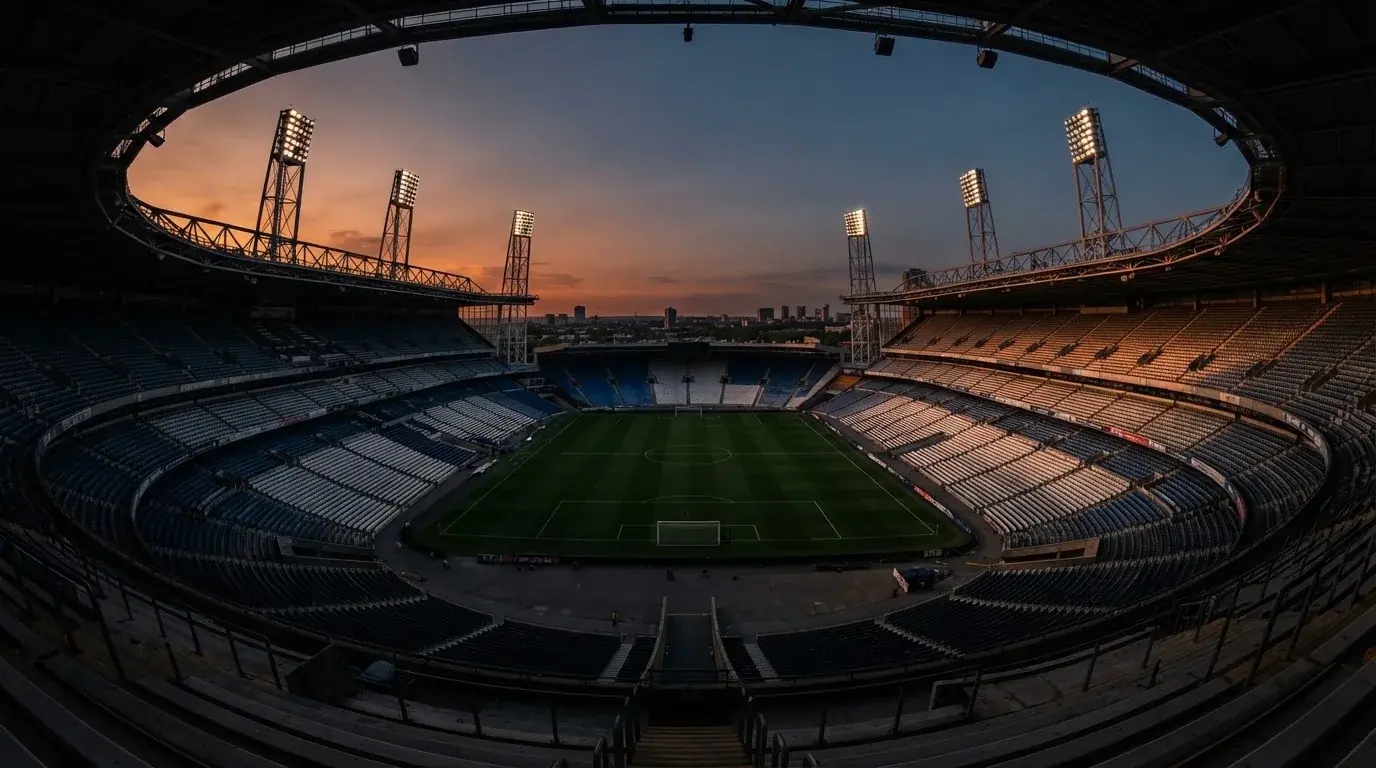
This shape produces three consequences that recur on every FIFA tournament. First, the prices come from one engine — the same odds models, the same risk traders and the same book set across TAB and Betcha — so there is no “best odds” comparison across the two domestic brands. Second, the offshore brands that price FIFA are pricing for a global pool, and their prices are sharper on outright markets (group winner, top scorer) where the global liquidity is concentrated. Third, the punter’s recourse on a disputed outcome is one of two: New Zealand’s internal complaints process at TAB NZ if the bet was placed there, or the offshore licence holder’s own complaints process if it was not. The first gives the punter a regulator behind the disputes framework. The second does not.
The market menu for FIFA football at TAB NZ is broader than the typical New Zealand punter assumes. The TAB NZ app lists horse and harness racing, rugby union and rugby league and other sports — the “other sports” line on the App Store listing refers to football codes (soccer), tennis, cricket, basketball, MMA and esports. Football is in the menu and has been throughout the post-2025 monopoly period. What is missing is the deeper market breadth — props, lines, same-game multis — that an offshore sportsbook might price. The punter who wants those markets gives up the lawful standing; the punter who wants lawful standing gives up the breadth. The trade-off is structural, not a fault of TAB NZ’s product.
From a New Zealand address, with a New Zealand ID, the digital landscape is two apps. From an offshore bookmaker’s marketing perspective, the digital landscape looks much wider — every brand in this shortlist accepts New Zealand IP traffic — but the lawful landscape is two brands. The two landscapes overlap only on the lawful side.
A practical consequence of this is that FIFA-betting promotions in New Zealand arrive only from TAB NZ and Betcha. New Zealand has no equivalent of a “best bonus for the World Cup” comparison; that genre exists in markets with multiple licensed bookmakers. The promotional weight that an offshore sportsbook might allocate on a World Cup group stage here goes through New Zealand’s TAB NZ marketing budget and covers Betcha’s promotions by extension. The “best odds” search results that fire elsewhere land on TAB NZ’s pricing page when the searcher is in New Zealand.
The marketing footprint offshore means the New Zealand punter will see 22Bet, Glorion and Golden Panda ads on YouTube and social channels because the brands run global campaigns and New Zealand’s advertising controls under the Gambling Advertising Code apply to the ads themselves, not the targeting. The Code prohibits ads aimed at under-18 audiences (under 14 children and 14 to under 18 young people, judged by context, appeal and expected audience composition) and prohibits encouraging harm; it does not prohibit an offshore brand from running a campaign whose audience includes New Zealand adults. What the Code does not, and cannot, address is that the brand on the other end of the ad has no right to take the bet the ad is selling.
The Statute: New Zealand’s Section 74AAA and the 2025 Monopoly
The Racing Industry Act 2020 established TAB NZ as the sole betting provider for racing and sports in New Zealand. The Racing Industry Amendment Act 2025 inserted section 74AAA, which states that no person other than TAB NZ may offer racing betting, sports betting or other racing or sports betting to a person in New Zealand, regardless of where that person is resident or incorporated. The change took effect on 28 June 2025. The Department of Internal Affairs (DIA) told providers serving New Zealand to withdraw with immediate effect after the change came in.

The law does not geo-block offshore websites. It puts liability on the offshore operator. Section 19(4) of the Gambling Act 2003 (also inserted in 2025) states that an individual may not be convicted for placing a bet with an offshore betting operator in breach of section 74AAA — meaning New Zealand law targets the operator, not the player. No published penalty for a player was found in the underlying material. The safe framing for a New Zealand punter is that TAB NZ and Betcha are the only lawful option, with New Zealand harm-minimisation tools, regulator oversight and a complaints framework; offshore = unlawful for the operator to serve New Zealand, no New Zealand complaints route, DIA’s stated risks, limits possible elsewhere.
The breadth of the prohibition is what makes this regime distinctive. Most countries run a banned-for-licensing regime — operators must hold a local licence or face enforcement — and the law targets the operator only at the moment of enforcement. New Zealand’s regime is a single-operator model: there is no licence to apply for and no licence register for bookmakers. The reason is structural. The Racing Industry Act 2020 was framed around TAB NZ’s existing position as the national tote and bookmaker, with an explicit policy preference for that monopoly. Section 74AAA was the consolidation of that policy into an enforcement-grade legal position.
The regulator position comes from the Department of Internal Affairs (DIA). The Gambling Commission (NZ) and the Gambling Act 2003 cover wider gambling — lotteries, casino games, pokie machines in clubs and pubs — but not the betting monopoly. The Racing Industry Act 2020 and its 2025 amendment are the controlling statutes on the sports and racing side, and the DIA is the regulator that monitors compliance with the betting prohibition (section 92A of the Racing Industry Act 2020).
What may be bet on under New Zealand law is racing and sports betting from TAB NZ only. TAB NZ takes fixed-odds and tote (pool) bets; its published betting rules define bets such as Win, Place, Each Way, Quinella, Exacta, Trifecta, First Four, Double, Treble, Daily Double, Running Double, Quaddie and Big6, plus Multis and Same Game Multis (a multi whose legs come from one event). Live betting is listed in the TAB NZ apps; any statutory restriction on in-play markets is not established in the underlying material. Bets on politics and novelty markets are not established under New Zealand statute.
There is no statutory per-bet cap. Limits are TAB NZ’s own terms. The ban covers events held inside and outside New Zealand — the next FIFA World Cup in 2030 is in Morocco, Portugal and Spain, and the prohibition applies to bets taken from a person in New Zealand on a match in any of those countries. What is not covered is the territory of the betting itself; only the taking of the bet from a person in New Zealand is prohibited.
The Online Casino Gambling Act 2026 is the newer piece of the regulatory jigsaw. It licences online casino gambling only and does not licence sports betting. TAB New Zealand winning the right to apply for a casino licence does not extend the betting monopoly. The two regimes run in parallel: the casino regime under the 2026 Act will (in time) produce an online-casino exclusion register, separate from any TAB NZ betting-exclusion arrangement. They are not the same register and they are not the same product.
Greyhound racing is closing in stages from 1 August 2026. From that date offshore operators may not take bets on greyhound races either, because the closure removes the underlying product. This does not change the position on football betting; it widens the offshore prohibition to greyhound racing, where it was previously a side-market question.
The advertising and bonus side of the regime is also distinctive. Because only TAB NZ may offer betting in New Zealand, DIA reads the prohibition as covering the promotion of, and the taking of, bets for another operator. How DIA treats betting affiliates is not established under the underlying material. The Advertising Standards Authority’s Gambling Advertising Code applies to betting advertisements: ads must not target children (under 14) or young people (14 to under 18), judged by context, appeal and expected audience (a 25% or more share of the audience counts as significant where accurate data exists), must not encourage harm, and must be truthful with terms available. No New Zealand equivalent of a “whistle-to-whistle” ban was found in the underlying material. TAB NZ runs “bonus bets” promotions; no New Zealand rule on bet-bonus size or wagering terms was found, so only TAB NZ’s own terms are quoted.
Tax on the player side is generally not at issue for recreational gambling winnings, per Inland Revenue guidance; prize money from TAB horse, dog and trotting races is not taxable. A person who bets as a business is a different case (general information, not tax advice — consult Inland Revenue or an accountant). On the operator side, TAB NZ pays the Problem Gambling Levy (0.74%, in force from 1 July 2025 to 30 June 2028). Overseas operators supplying New Zealand residents pay online gambling duty (12% of profits since 1 July 2024, 16% from 1 January 2027), but a duty being payable does not make an offer lawful — tax payment shows nothing about whether the operator has a right to take the bet. The point-of-consumption charge on offshore racing and sports bets ceased on 30 June 2026, simplifying the offshore duty picture but not changing the prohibition.
Safeguards and Wellbeing: What a New Zealand Bettor Has Access To
The protection regime inside TAB NZ is the harm-minimisation framework published in the TAB NZ app. It lists deposit limits, time-outs and self-exclusion, and points to the free New Zealand gambling helpline (0800 654 655) and the text line (8006). The exclusion applies across TAB NZ’s brands: a self-excluded customer cannot open or use a Betcha account either, and the integration runs inside Entain NZ’s technology stack.
The age bar for TAB NZ betting is 18. Betting under 18 is an offence under section 89 of the Racing Industry Act 2020. The TAB NZ app carries a 17+ App Store age rating on the New Zealand App Store (the store-side minimum is 17; the betting-side minimum is 18, and customers must be 18 or over to bet). Land-based casinos run a 20-year age minimum under the Gambling Act 2003 — that figure is for casinos, not for betting, and the two are not to be merged. A 20-year-old New Zealander can enter a casino; an 18-year-old New Zealander can place a TAB NZ bet.
TAB NZ accounts need a verified New Zealand address and ID. The verification is done at sign-up and is part of the platform’s KYC (know-your-customer) process. The offshore brands in the comparison shortlist run KYC at varying depths — some at sign-up, some at withdrawal — but none of them gates on a verified New Zealand address, because that excludes the New Zealand customer the platform is interested in retaining. The result is that a New Zealand punter opening an account at an offshore book encounters less friction on day one and more exposure on day 365, when a withdrawal question can arise with no New Zealand address on file.
There is no single national online-betting exclusion register. The register the casino law will require under the 2026 Act is for online casinos only. The TAB NZ brand-level exclusion is what controls the betting side, and it covers both TAB and Betcha. The other New Zealand-facing harm-minimisation resource is the Gambling Helpline (0800 654 655, text 8006) and Safer Gambling Aotearoa — both mentioned on TAB NZ’s app listing. Neither is operator-bound; both are intended for anyone affected by gambling harm.
The offshore brands in the comparison shortlist vary widely on harm-minimisation. The underlying material lists Roobet’s 18-year minimum; LunuBet’s 18-year minimum; and not all of the offshore brands publish a self-exclusion tool on the home page. A New Zealand punter who self-excludes at TAB NZ is well-supported (and the exclusion is enforced across the brand group). The same exclusion does not run to an offshore brand — that brand has no record of the TAB NZ exclusion and no obligation to honour it. Self-exclusion is platform-bound; punters who use it across the offshore bookmaker set need to set it up on each platform separately.
The Problem Gambling Levy the operator side pays (0.74% of gross profits, in force from 1 July 2025 to 30 June 2028) funds much of New Zealand’s harm-minimisation infrastructure, including the helpline and Safer Gambling Aotearoa. The levy is on TAB NZ and licensed casinos; offshore brands do not pay it. The DIA’s stated position is that offshore operators are in jurisdictions with minimal consumer safeguards, may not return unspent credits and may not pay out large wins. New Zealand bettors weighing offshore brands read that as a probability, not a marketing line.
Forecasting FIFA: What a Punter Can Work Out Ahead of Time
FIFA-betting strategy in New Zealand runs against the same backdrop as in any market: the bookmaker’s margin is built into every price, the market gets sharper closer to kick-off, and outright markets move fastest in the gap between tournament draw and the first group fixture. The 2026 tournament was an event in retrospect, but the same playbook applies to FIFA World Cup qualifiers, the FIFA U-20 World Cup, the Women’s World Cup and the Confederations Cup-style competition calendar.
The most useful analytic move for a New Zealand FIFA punter is to separate the markets with global liquidity from the markets with regional liquidity. Outright markets on a World Cup winner have global liquidity — every serious sportsbook in the world is pricing it, and TAB NZ’s price moves in line with the consensus. Group-winner and group-stage qualification markets also have global liquidity. Player markets (top scorer, player to score in any match) have moderate global liquidity, but only for the headline players; the per-player props (Mbappé to score in the 23rd minute, Rodri to be carded) are priced by the sportsbook running the line, and the margin is wider.
The second analytic move is to read the bookmaker’s margin in the price, on a market that has at least three distinct outcomes. A match-result market (1X2) priced at $2.10 / $3.40 / $3.60 — broadly the kind of price a closely-matched tournament group fixture opens at — gives the punter the means to price the bookmaker. The calculation is straightforward: the implied probabilities sum to more than 100%, and the excess is the bookmaker’s edge. The arithmetic is walked in the next section; the takeaway is that the bookmaker’s edge is the first thing a serious punter reads out of any price.
A third move, and one that pays more on outright markets than on individual matches, is to back late in the team-news cycle where the market can be slow to react. A starting-eleven change 90 minutes before kick-off affects price in European and Asian markets faster than it does in New Zealand, where the opening hours for the global betting day sit at a different time of day. For 2026 group-stage matches starting at the European prime-time slots, the price move was completed in Europe before New Zealand punters had a chance to react; for matches starting at 4pm local Brazil time, the price move was smaller and the late line moved more.
For a punter on a budget, the fourth move is bankroll management, in the practical sense — never stake more than a small fraction of bank on a single match, never chase losses, never borrow to bet, and read TAB NZ’s deposit-limit and self-exclusion tools before any single match. None of this is a tip — predicting outcomes is what the bookmaker does better than the punter, on average — but a punter who protects the bankroll survives longer, and a longer tenure gives the punter more chances to find a price the book has mispriced.
The fifth move is the simplest: know what the book is offering. A punter reading the TAB NZ menu will find match-result, totals, both-teams-to-score, outright winner and group winner on most fixtures. A punter reading the 22Bet menu will find those plus player props, half-time markets, exact-score markets, combo markets and same-game multis. The two menus price the same matches at the same underlying probabilities — both books are pricing the same underlying match — but the menu breadth differs, and where the offshore bookmaker has more markets, the per-market liquidity is lower and the margin is wider. The trade is breadth for margin.
The honest framing on “predictions” is that no system reliably picks winners. Anyone selling a system on that promise is selling something the bookmaker’s margin makes impossible over a long enough sample. The standard punters’ discipline — read the price, find the misprice, stake accordingly, manage the bankroll — is what remains after the predictions industry has been deflated. That discipline is the same in New Zealand as anywhere else, with the additional New Zealand wrinkle that “anywhere else” is not a lawful option under section 74AAA.
Bet Types, Odds and the Bookmaker’s Edge
The basic bet types a FIFA punter at TAB NZ meets are match result (1X2 — home win, draw, away win), totals (over/under on the number of goals), both teams to score (yes/no), correct score, half-time/full-time (HT/FT), double chance (covering two of the three 1X2 outcomes in one bet), and outright markets on the tournament winner, group winner, top scorer and player-of-the-tournament. Same Game Multis (SGMs) are TAB NZ’s name for multi-leg bets whose legs all come from one event — Spain to win, Mbappé to score, over 2.5 goals, all backed at multiplied odds.
Offshore, the menu extends. 22Bet offers more than 30 market types per event — 1X2, Double Chance, totals, both teams to score, correct score, HT-FT, plus tennis game, set and handicap markets (the tennis markets are a separate product line, but the structure is similar). LegendPlay and RoyalistPlay offer similar breadths. The reason this matters is that the per-market margin is wider on the deeper markets — the bookmaker can afford a sharp price on the headline 1X2 market because of liquidity, and a wider margin on the props because the liquidity is per-event, not per-market.
The headline market is the one a punter reads for the book’s edge. Picking an illustrative match-result price — say, Brazil vs. Argentina in a World Cup group fixture at $2.10 (Brazil), $3.40 (draw), $3.60 (Argentina), the kind of three-way line a closely-matched game opens at — the implied probabilities are 1/2.10 = 0.4762, 1/3.40 = 0.2941 and 1/3.60 = 0.2778, summing to 1.0481. The payout share is 1 ÷ 1.0481 = 0.9541, meaning the book returns 95.4% of one unit staked on average across all three outcomes, and the margin is 1 − 0.9541 = 0.0459, or around 4.6%.
That is a reasonable range for a well-priced 1X2 market on a major event. Tournament football tends to come in slightly wider, especially earlier in the cycle when team news is thin; expect margins in the 5–7% range on World Cup group-stage 1X2 markets, tightening to around 4–5% closer to kick-off and through the knockout rounds where liquidity is highest. The same fixture priced at $1.95 / $3.50 / $4.20 — a tighter bookmaker-favourite line — has implied probabilities summing to 1/1.95 + 1/3.50 + 1/4.20 = 0.5128 + 0.2857 + 0.2381 = 1.0366, a payout share of 0.9648 and a margin of 3.5%. The market is sharper at that price. A line at $2.30 / $3.20 / $3.10 — a balanced market — gives 0.4348 + 0.3125 + 0.3226 = 1.0699, payout share 0.9347, margin around 6.5%, wider because the bookmaker is uncertain about the favourite.
The pattern is general. The closer to kick-off, the tighter the margin. The bigger the event, the tighter the headline market. The deeper the prop, the wider the margin — because the deeper market is one the bookmaker has less liquidity to model from. The punter’s trade is to back what the bookmaker is sharpest about and avoid what it is least confident about, and to back late in the cycle where possible.
The return on a winning bet is worked out the same way at TAB NZ, at 22Bet and at every offshore book on this list. Decimal odds ($2.10) are quoted as the total return for a $1 stake — so a $10 stake at $2.10 returns $21, of which $11 is net profit (stake × (odds − 1)) and $10 is the original stake. Fractional odds, where used by older English-language books, are converted: $2.10 decimal = 11/10 fractional = a $10 stake returns $21 total. Decimal odds are the New Zealand convention — TAB NZ and Betcha both price in decimal form by default; offshore books targeting New Zealand also default to decimal. The six-format display at Rooster.bet is unusual; the standard for this market is decimal.
For a multi — Spain to win $1.80, over 2.5 goals $1.95, both teams to score $1.70 — the odds multiply into one price ($1.80 × $1.95 × $1.70 = $5.967), and a $10 stake returns $59.67 in total if all three legs land. The book builds a margin into each leg, and the margin compounds. Three legs at 4.6% each do not produce a 4.6% margin on the combined price; they produce roughly 1 − (0.954 × 0.954 × 0.954) = 1 − 0.868 = 13.2% on the combined price. The compounding is why same-game-multis are attractive to the bookmaker and hard for the punter to price. The takeaway is that punting on SGMs requires the punter to be confident on every leg separately, because the margin has compounded with the multiplication of the price.
A free-bet position is roughly the same shape at the offshore books as at TAB NZ. A free bet whose stake is not returned loses the stake on a losing bet and pays only the profit on a win. The expected value of a $20 free bet at $3.00 odds, on a market with an 8% margin, is approximately $20 × ($3.00 − 1) ÷ $3.00 × 0.92 = $20 × 0.667 × 0.92 = $12.27. That is the average worth over a long sample. No free bet wins by itself, and the operator frames the offer as “free” because that framing is what the marketing needs — not because the offer has no cost to the operator or to the punter.
A qualifier on a free-bet or new-account offer is what the book writes below the headline. A wagering requirement, a minimum odds line, a deadline and a cap on winnings all sit in the small print. A “100% bonus” offer on a $100 deposit with a wagering factor of 5x the bonus means the punter needs to place $500 of bets before the bonus is withdrawable. Add a minimum odds line of $1.50 per leg and the punter is restricted to short-priced markets, where the margin is wider. The offer is a marketing shape, not a free lunch — the arithmetic gets there before the punter does. TAB NZ’s own bonus-bet promotions follow the same pattern, with the wagering terms in TAB NZ’s own conditions rather than in statute.
The bookmaker’s edge is the one number a FIFA punter walks away from this section knowing. On a $2.10 / $3.40 / $3.60 match-result line, the implied probabilities total 104.8%, meaning every dollar wagered on the market returns, on average, 95.4 cents. The 4.6% margin is what the bookmaker keeps across all bets on the market over a long sample. It is not a fee the punter pays once; it is a fraction of every dollar bet on the market that the bookmaker keeps, regardless of which outcome wins. That is the one structural fact about bookmaking that no prediction system, no betting strategy and no inside information has ever neutralised over a long enough sample.
Reading the Landscape on a FIFA Match Day
The 2026 World Cup is finished. The next full FIFA tournament cycle started this month — qualifiers for the 2030 edition, with the inter-confederation play-offs and the Under-20 and Under-17 World Cups in between. A New Zealand punter looking at the next full-priced cycle is looking at qualifiers priced before the broader market has reacted, at group-stage markets where the team news is still moving, and at outright markets where the draw structure (when announced) reshapes every line. Every one of those markets is priced by TAB NZ, and by offshore books without a New Zealand licence. The same calculation, the same margin, the same bet structure sits behind both; the only thing that differs is the lawful standing in New Zealand.
The sequence for a New Zealand punter working a FIFA match is: open the TAB NZ app and Betcha app side by side (two windows onto the same engine), find the fixture, check the market menu (match result, totals, both teams to score, outrights), read the price for the headline market, estimate the margin (sum the reciprocals, subtract from 1), and decide whether the price is sharper than the bookmaker’s edge suggests it is. If a price is, say, $2.10 / $3.40 / $3.60 with a margin of 4.6%, the punter is staking against a 4.6% bookmaker’s edge on the 1X2 market, and any edge on the punter’s side has to exceed 4.6% to break even over a long sample. That is the discipline; everything else on the page is either framing or footnote.
Frequently Asked Questions
How does a punter place a FIFA bet in New Zealand under the law as it stands?
Open an account with TAB or Betcha, verify a New Zealand address and ID at sign-up, deposit funds using one of TAB NZ’s accepted payment methods, find a football market (match result, totals, both teams to score or outrights are the standard markets), pick the selection, enter the stake on the bet slip and confirm. The bet is settled by TAB NZ’s engine against the same bet rules regardless of which of the two brands places the bet, because the two brands are operated by the same group (TAB NZ and Entain NZ). Offshore brands offer the same shape of bet with a broader market menu, but they do not lawfully take bets from people in New Zealand under section 74AAA of the Racing Industry Act 2020.
What was different about the 2026 FIFA World Cup versus the 2022 edition?
The 2026 tournament was the first to use 48 teams, the first across three host nations (the United States, Mexico and Canada), the first with 16 host cities, and the first with a group-stage structure of twelve groups of four instead of the eight-group layout used in 1998 through 2022. That added eight matches to the knockout round and produced 104 matches and 308 goals overall. Spain beat Argentina 1-0 in extra time in the final at MetLife Stadium, East Rutherford, New Jersey; Kylian Mbappé of France took the Golden Boot with 10 goals, his second in a row, and his France side Spain had beaten in the semi-final.
How does a punter bet on the FIFA World Cup final itself?
Look up the final fixture on the football menu of TAB or Betcha, choose from match result (1X2), total goals, both teams to score, correct score, half-time/full-time, or a Same Game Multi combining several of those markets. Read the price on the headline match-result market, estimate the bookmaker’s edge by summing the reciprocals of all three 1X2 prices, and decide whether the price is sharp enough to beat that edge over a long sample. Stake on the bet slip, confirm, and the bet is set. The same workflow applies to any other match in the tournament, including the group-stage fixtures and the knockout rounds; the final is just one of the 104 fixtures priced in the 2026 edition.
Who is the only bookmaker lawfully offering sports and racing bets in New Zealand?
TAB NZ, through its two online brands TAB and Betcha, under section 74AAA of the Racing Industry Act 2020 (in force since 28 June 2025). The Department of Internal Affairs (DIA) is the regulator that monitors compliance with the prohibition on other operators taking sports or racing bets from people in New Zealand, regardless of where the operator is resident or incorporated. There is no licensing route for another bookmaker and no licence register for sports betting, because the statute establishes only one lawful provider. Betcha is the same operator group as TAB, run under the same monopoly, and are not to be treated as a competing bookmaker.
What is the return on a FIFA bet, and how is it worked out from decimal odds?
Total return = stake × decimal odds; net profit = stake × (odds − 1). A $10 stake at $2.10 returns $21 in total, of which $11 is net profit and $10 is the stake returned. Fractional odds are an older English convention; decimal odds are the New Zealand convention. For a Same Game Multi whose legs all come from one event, the per-leg odds multiply into one combined price, and the total return is the same stake-times-combined-odds formula applied to the multiplied price. The book builds a margin into each leg, and the combined margin is the compounded equivalent of the single-leg margins.
What is the bookmaker’s margin, and how is it read from the odds?
It is the share of every dollar staked on a market that the bookmaker keeps over a long sample. For a three-outcome market (1X2), the implied probabilities are the reciprocals of the decimal odds; they sum to more than 100% (otherwise no bookmaker exists), and the excess is the margin. A price of $2.10 / $3.40 / $3.60 gives 0.4762 + 0.2941 + 0.2778 = 1.0481, meaning the bookmaker’s edge is 4.8% on the market — the bookmaker returns, on average, 95.2 cents of every dollar staked across all three outcomes over a long sample. Closer to kick-off, on bigger events and on the headline market, the margin tightens; on peripheral markets and earlier in the cycle, it widens, and the punter reads the price for what it costs.
Written by the editors at Nzlivebetting.